Cardavela

Every vocabulary plan runs into the same question early on: which words should you learn first? A dictionary holds tens of thousands of entries, and textbooks tend to group words by themes that may or may not match what you actually hear. A more practical approach is to start with the words people use most. They carry everyday speech, and you meet them constantly. This post explains how frequency lists work, why film and series subtitles make a good source for them, and how to get the most out of the Frequent words deck in Cardavela.
The case for frequency first
Word use is very uneven. A relatively small set of words shows up all the time: pronouns, prepositions, and workhorse verbs like get, go, know and want. Most of the rest appear only occasionally, and many are rare enough that you could go months without seeing them.
That imbalance is the whole argument. An hour spent on frequent words pays you back every day, because you keep running into them. The same hour spent on rare words may be forgotten before the words ever come up. Working from the top of a frequency list downward gives you the fastest return on study time.
This works in both directions. If you are a Russian speaker learning English, frequent words are the core of what you need to understand. If you are an English speaker learning Russian, a frequency-sorted English list is a handy map of which everyday ideas you will want to express first, with a Russian meaning on each card.
How a frequency list is built
The idea is simple:
- Collect a large body of text, called a corpus.
- Count how many times each word appears.
- Sort the words from most to least frequent.
The interesting part is the choice of corpus. A list built from academic papers is full of technical terms. One built from news leans toward politics and finance. If your goal is to follow real conversation, you want a corpus that sounds like conversation.
Why subtitles are a good source
Subtitles are essentially transcribed dialogue. Characters greet each other, argue, apologize, make plans and tell jokes. That is much closer to spoken English than a newspaper or a grammar book, which is why Cardavela's free decks are built from a frequency count of film and series subtitles.
There are four of them:
- Frequent words: 10,345 cards, the natural starting point.
- Frequent phrases: 477 cards with common set expressions.
- Wider vocabulary: 29,044 cards for when the basics feel solid.
- More phrases: 2,942 cards with additional expressions.
One honest caveat: the meanings in these decks are not a checked dictionary. They are frequency-based material with translations, convenient for study, but common words often have many senses, and a single line of translation will not cover all of them. If a meaning looks off, look the word up.
How to study the Frequent words deck
The deck is already ordered by frequency, so there is nothing to set up. A typical session goes like this:
- Open the deck. One card fills the screen.
- Try to recall the meaning, then tap to flip. The back shows the answer, an example, and spoken audio using iOS speech.
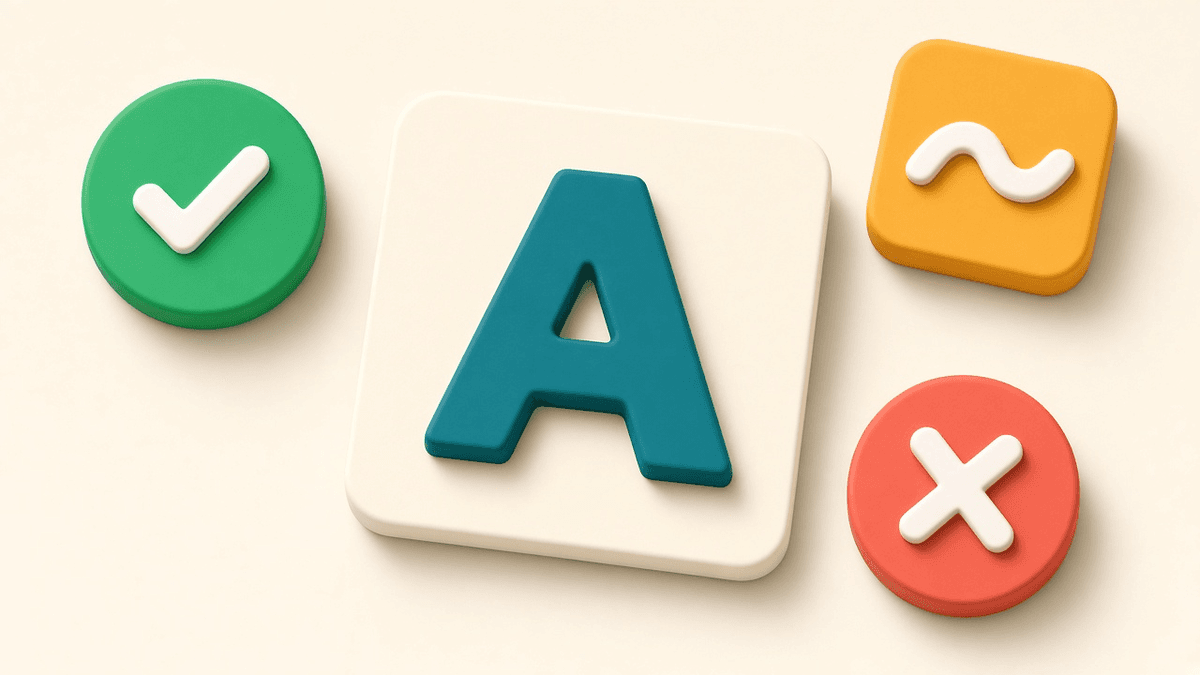
- Rate yourself. Swipe right for Know, left for Don't know, up for Easy. Or use the three buttons: Don't know, Hard, Know.
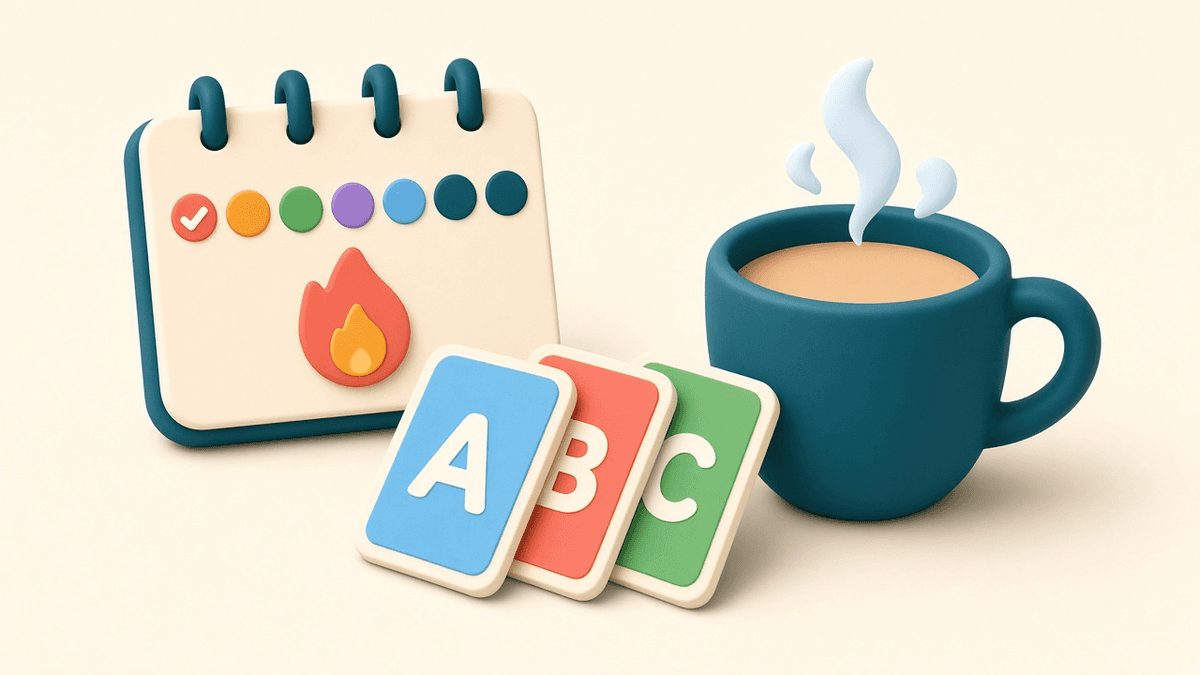
- Sessions are short, up to 8 cards, so they fit into any spare moment.
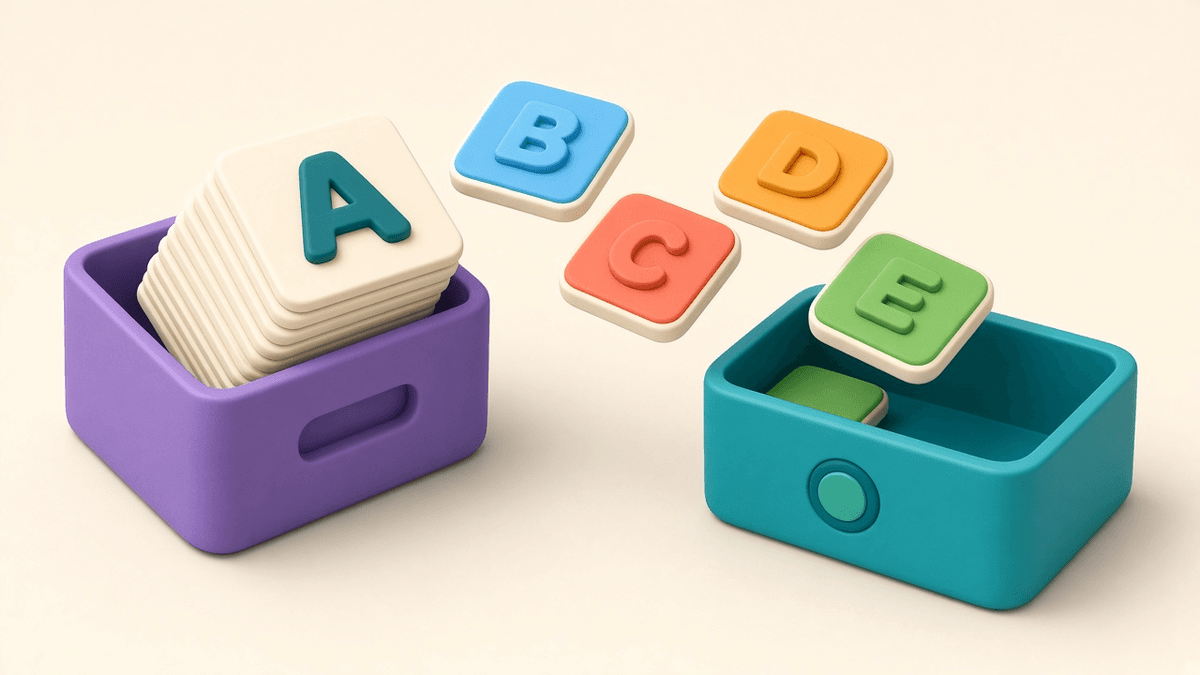
Each word you study lands in a Don't know, Hard or Know list, and the FSRS scheduler decides when to bring it back so it does not fade.
Expect the first stretch to move fast. Many of the very top words will be familiar, and they will go straight to Know. Slow down when you hit words that make you hesitate, and mark them honestly as Hard or Don't know. Those are the ones worth your time.
After the basics
Once the early part of the list feels comfortable, try Frequent phrases. Single words are building blocks; phrases show how they fit together in real speech. After that, Wider vocabulary and More phrases take you beyond the essentials.
If you want to study your own material, such as words from a show you are watching, you can create a deck in Cardavela by typing cards, importing an Anki .apkg file, or loading a TXT or CSV list.
Give it a try
You can start on the most common English words today. Download Cardavela from the App Store: no account, no ads, and it works offline. Prefer to look first? Browse the Frequent words deck or study it online in your browser. Every free deck is in the library, where you can also download it as CSV or TXT.